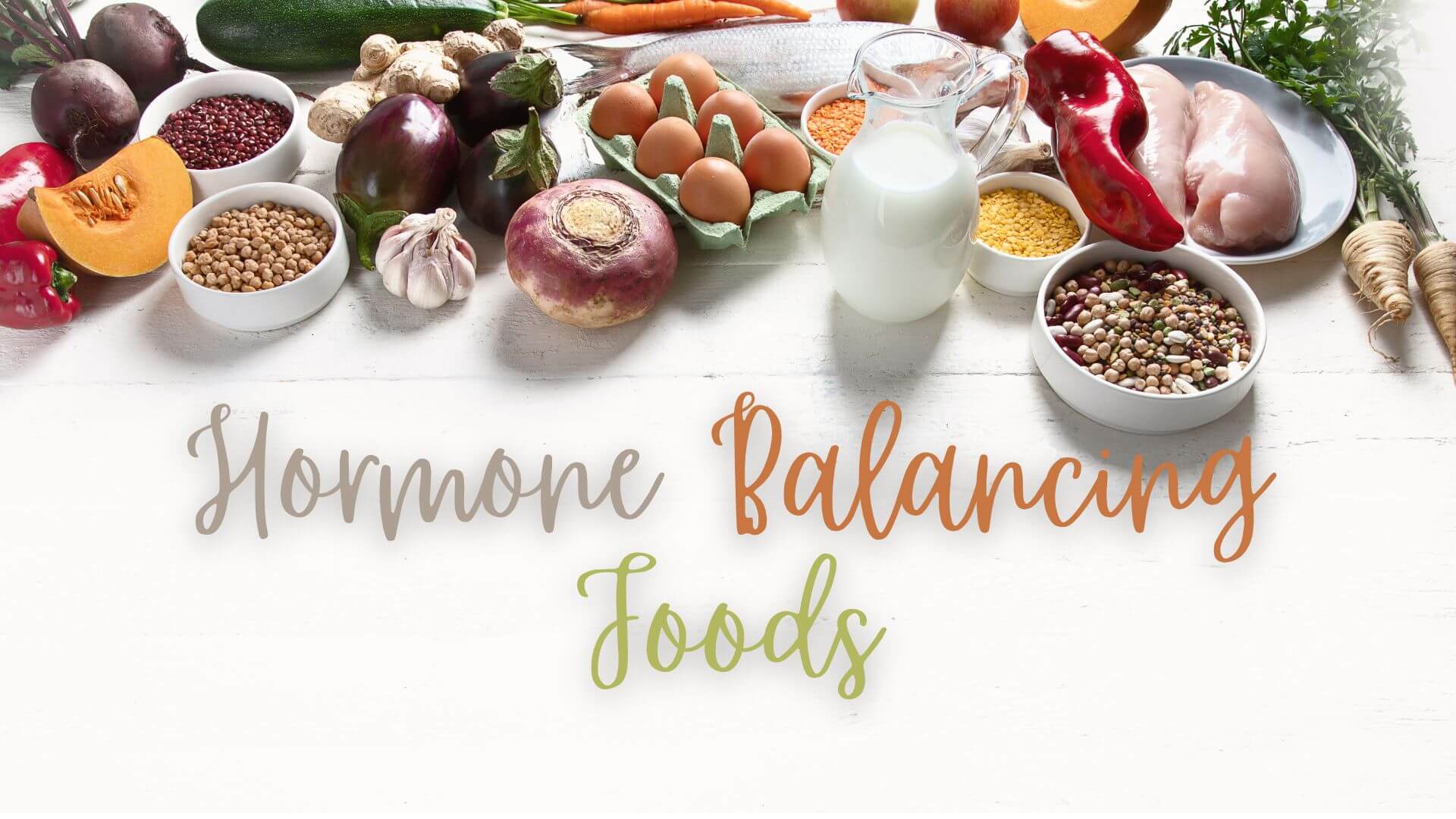
You’ve been eating well, sleeping reasonably, and managing stress as best you can. And yet — the mood swings arrive anyway. The fatigue lingers. The period is late, or heavy, or both. The weight seems to rearrange itself without your permission. If any of this sounds familiar, your hormones may be asking for a little nutritional attention, and learning which foods balance hormones is a powerful place to start.
Hormones are the body’s chemical messengers. Over 50 of them work around the clock to regulate everything from your energy and metabolism to your menstrual cycle, sleep, and emotional wellbeing. When they’re in balance, you barely notice them. When they’re not, you feel it everywhere. The good news is that mild hormonal imbalances respond remarkably well to lifestyle and dietary changes. And for women specifically — navigating everything from PMS and PCOS to perimenopause and beyond — what you eat can make a measurable difference.
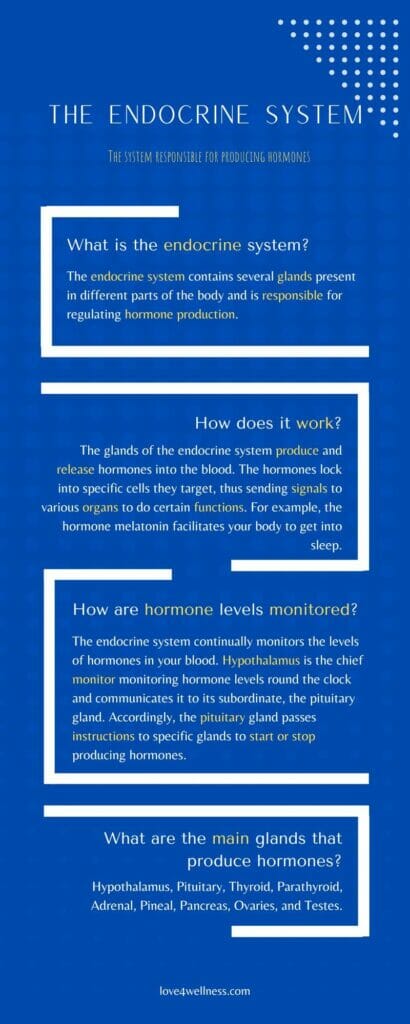
Here is an infographic explaining the incredible endocrine system that regulates hormone production.
First, a Quick Word on When Hormones Go Off-Balance
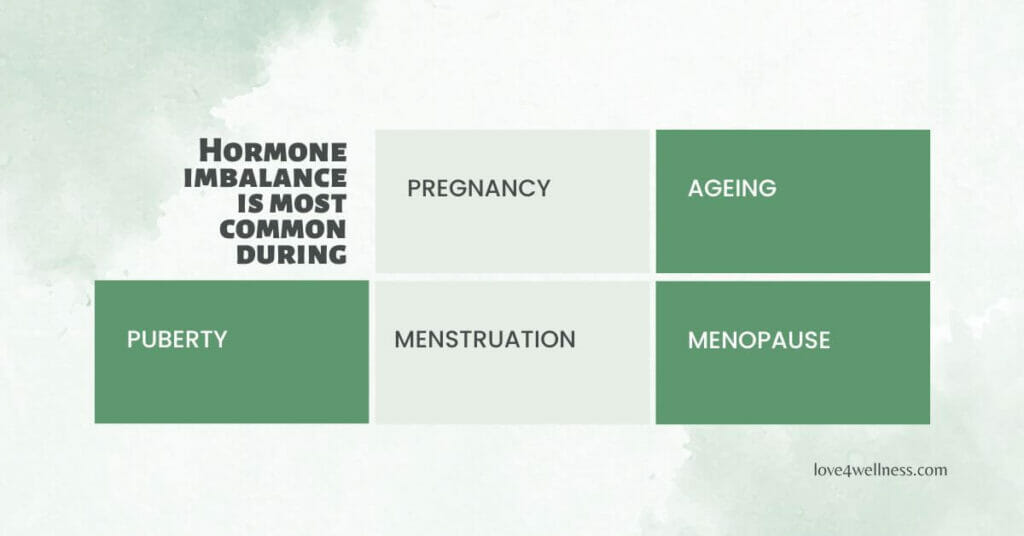
Hormonal imbalances occur in both men and women. Hormones naturally fluctuate at different stages of life, particularly during puberty, pregnancy, the menstrual cycle, and menopause. Also, with age, levels of certain hormones decline.
Who Is Most Prone to Hormonal Imbalances?
Hormonal imbalances can affect anyone — but women bear a disproportionate share of the burden, simply because the female endocrine system is more cyclical and therefore more vulnerable to disruption at multiple life stages.
Teenagers and young women navigating puberty often experience their first brush with hormonal turbulence. Irregular periods, acne, mood swings, and in some cases, the early signs of PCOS, which affects an estimated 1 in 5 women in India.
Women in their 20s and 30s dealing with chronic stress, poor sleep, or disordered eating frequently experience disruptions to their cortisol, thyroid, and reproductive hormones — often without realising the connection between their lifestyle and their symptoms.
Women approaching perimenopause — typically from their late 30s onwards — begin to experience the gradual decline of oestrogen and progesterone. This transition can last anywhere from 4 to 10 years and brings with it a wide, often bewildering range of symptoms.
Women with underlying conditions such as PCOS, hypothyroidism, hyperthyroidism, endometriosis, or insulin resistance are particularly susceptible, as these conditions both cause and are worsened by hormonal imbalance — creating a cycle that diet and lifestyle changes can meaningfully interrupt.
Age and life stage matter. But so do daily habits — which means there is always something within your control.
Common Symptoms of a Hormonal Imbalance
The frustrating thing about hormonal symptoms is how easy they are to dismiss — as stress, as ageing, as “just how you are.” But your body is usually communicating something specific. Here are the most common signs that your hormones may be out of balance:
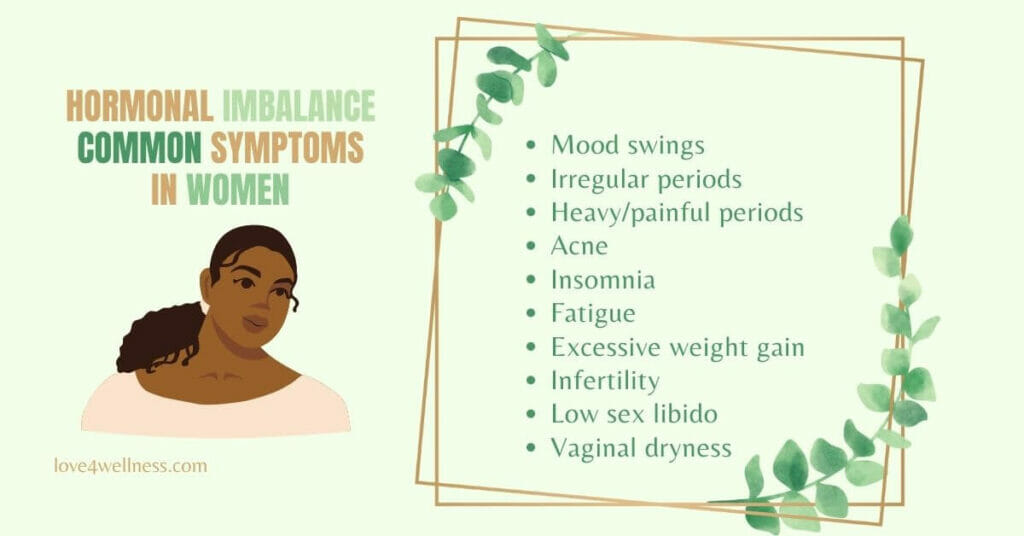
Oestrogen and progesterone imbalances commonly show up as irregular, heavy, or painful periods, PMS, breast tenderness, bloating, and mood swings in the days before menstruation. Low progesterone in particular tends to produce anxiety and poor sleep. These symptoms are often treated in isolation when the hormonal root cause goes unaddressed.
Cortisol dysregulation — driven by chronic stress — manifests as persistent fatigue, difficulty waking in the morning, afternoon energy crashes, sugar cravings, belly weight gain, and a wired-but-tired feeling that no amount of sleep seems to fix.
Thyroid imbalances produce some of the most wide-ranging symptoms of any hormonal condition. Some of them are unexplained weight changes, hair thinning, brain fog, cold sensitivity, constipation, dry skin, and a general sense of slowing down that is often mistaken for depression.
Insulin resistance — increasingly common in women with PCOS and in the perimenopausal transition — shows up as difficulty losing weight despite effort, sugar cravings, energy crashes after meals, skin darkening around the neck or underarms, and irregular cycles.
If several of these sound familiar, you are not imagining it. And you are not alone.
What Can Hormonal Imbalances Lead To?
Left unaddressed, hormonal imbalances do more than cause discomfort. Over time, they can develop into more serious conditions that affect long-term health and quality of life.
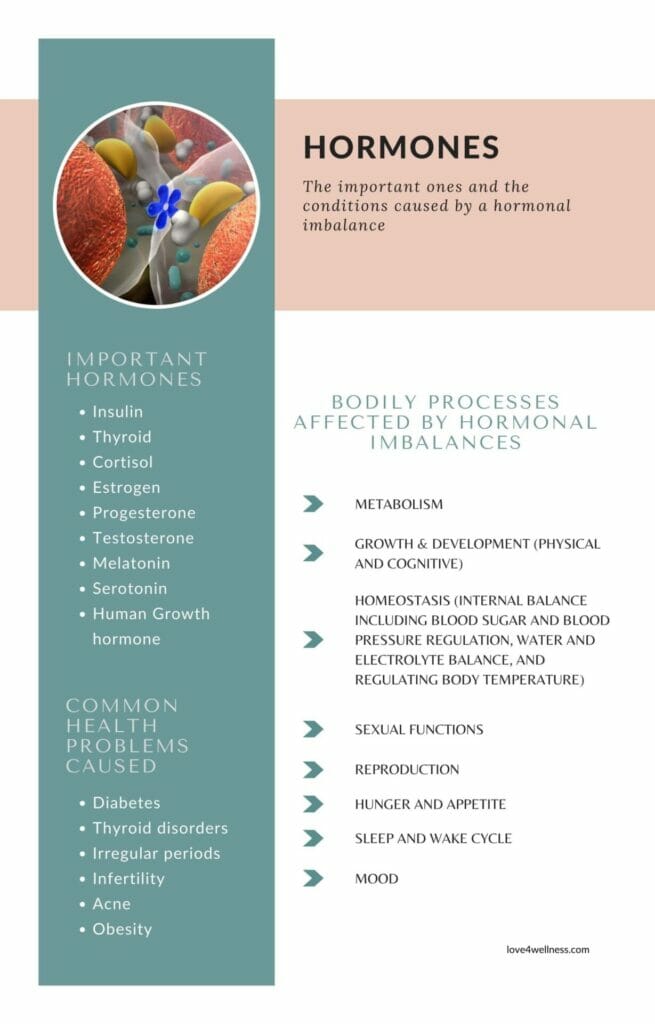
Irregular or absent periods are often the first sign that reproductive hormones are out of sync. When left unaddressed, it can affect fertility and bone density over time.
Thyroid disorders — both hypothyroidism and hyperthyroidism — affect metabolism, cardiovascular health, mood, and cognitive function. India has one of the highest rates of thyroid dysfunction globally, with an estimated 42 million people affected.
Type 2 diabetes develops when the body’s insulin regulation breaks down — a process in which hormonal disruption, particularly cortisol excess and oestrogen decline, plays a significant role.
PCOS is both a cause and consequence of hormonal imbalance — affecting menstrual regularity, fertility, metabolism, skin, and long-term cardiovascular health when unmanaged.
Obesity and metabolic syndrome are strongly linked to leptin resistance, cortisol excess, and thyroid dysfunction — all hormonal conditions that respond to dietary intervention.
Mood disorders, including anxiety, depression, and PMDD (Premenstrual Dysphoric Disorder), have clear hormonal underpinnings that are frequently overlooked in clinical settings.
The encouraging reality is this: many of these conditions are preventable or manageable with early intervention. And diet is one of the most powerful, accessible places to begin.
Here are eight foods that balance hormones, backed by science and grounded in what actually works.
You Might Also Like:
- The Three Important Aspects To Understand When Managing Diabetes And Ten Important Tips That Helps
- Eight Yoga Poses That May Help Treat Mild Hypothyroidism
- 13 Most Common Menopause Symptoms And Useful Tips To Manage
8 Foods That Can Help Balance Hormones
1. Cruciferous Vegetables — The Liver’s Best Friend
Broccoli, cauliflower, kale, spinach, cabbage, Brussels sprouts — cruciferous vegetables are not glamorous. But they are genuinely powerful when it comes to hormonal health, and here’s why.
Your liver is one of the most underrated players in hormone regulation. When oestrogen, thyroid hormones, and stress hormones exceed their optimal levels, the liver steps in to filter the excess and excrete it via bile. For the liver to do this well, it needs support — and cruciferous vegetables provide exactly that. They contain a phytochemical called indole-3-carbinol. This improves liver function and supports healthy oestrogen metabolism, helping the body clear excess oestrogen rather than allowing it to recirculate.
This matters particularly for women dealing with oestrogen dominance — a condition where oestrogen levels are disproportionately high relative to progesterone. Common symptoms include heavy or painful periods, bloating, mood swings, and breast tenderness. Cruciferous vegetables help address this at the root.
In addition to oestrogen hormone balance, this food group helps regulate hunger-related hormones — leptin, ghrelin, and NPY — which influence appetite and weight. Their antioxidant properties reduce systemic inflammation, and some studies suggest a regular intake may reduce the risk of oestrogen-related cancers.
🥦 A note for thyroid patients: You may have heard that cruciferous vegetables are a no-go if you have a thyroid condition. This is because they contain goitrogens, which can mildly interfere with iodine absorption — a mineral the thyroid needs to function. However, cooking cruciferous vegetables significantly reduces goitrogenic activity. So, cooked broccoli or steamed kale is generally safe, even with thyroid conditions. As always, check with your doctor if you’re on thyroid medication.
2. Healthy Fats — Because Your Hormones Are Made of Fat
This one surprises people: your hormones are literally made from fat. Specifically, steroid hormones — oestrogen, progesterone, cortisol, and testosterone — are all synthesised from cholesterol. Cut dietary fat too aggressively, and hormone production suffers. Add foods rich in healthy fats back in, and things start to shift, leading to hormone balance.
Healthy fats support hormone production and reduce the chronic inflammation that disrupts hormonal signalling. Omega-3 fatty acids — found abundantly in fatty fish, walnuts, flaxseeds, and chia seeds — are particularly valuable. They improve insulin resistance, reduce menstrual pain, support fertility, and lower the risk of premature birth in pregnant women.
For women in perimenopause, healthy fats take on additional importance. As oestrogen declines, the body becomes more prone to visceral fat accumulation and associated metabolic changes — shifts that a diet rich in anti-inflammatory fats can meaningfully slow.
Good sources to include daily: avocado, extra virgin olive oil, fatty fish such as salmon and sardines, walnuts, almonds, pumpkin seeds, and dark chocolate with a high cocoa content (yes, really).
“Fat is not the enemy of hormone balance — the wrong kind of fat is.”
3. Colourful Vegetables — Eat the Rainbow, Balance the Hormones
Rainbow-coloured vegetables — sweet potato, tomatoes, carrots, radish, brinjal, beetroot, bell peppers — do more than brighten your plate. They deliver the micronutrients that underpin hormone production, and they support gut health through their high fibre content. Since the gut microbiome plays a direct role in regulating hormones (more on this shortly), this matters more than it might seem.
Specific vegetables carry specific hormonal benefits. Carrots are particularly useful for oestrogen balance. They contain a unique fibre that binds to excess oestrogen in the digestive tract and carries it out of the body before it can be reabsorbed. Sweet potatoes, rich in vitamin B6, support progesterone production — a hormone that tends to be underproduced in women with PMS and in the early stages of perimenopause.
The broader message: the more varied your vegetable intake, the broader the spectrum of phytonutrients supporting your endocrine system. Aim for five colours a day. Your hormones will notice.
4. Quality Protein — The Hormones You Haven’t Heard Of
When most people think about protein, they think of muscles. But protein does something equally important for hormonal health: it provides the building blocks for a class of hormones called peptide hormones.
Peptide hormones include insulin, glucagon, leptin, and ghrelin — all of which regulate blood sugar, appetite, metabolism, and satiety. Without adequate protein, these hormones cannot be produced in sufficient quantities. This can lead to blood sugar instability, increased hunger, and metabolic disruption. Research suggests eating a minimum of 25–30 grams of protein per meal to keep these hormones functioning well.
For women with PCOS — where insulin resistance is a central driver of hormonal imbalance — consistent protein intake is especially important. It stabilises blood sugar, reduces insulin spikes, and helps prevent the cascade of hormonal disruption that follows a glucose surge.
Good sources include eggs, lentils, dal, chickpeas, paneer, yoghurt, fish, tofu, and soy-based foods. For most Indian women, eating a traditional diet, lentils and legumes at every meal is a genuinely excellent hormonal strategy — not just a cultural habit.
🥚 Fun fact: Eggs contain choline, a nutrient that supports the liver’s ability to metabolise and excrete oestrogen. They’re one of the most comprehensively hormone-supportive foods available, despite decades of undeserved nutritional controversy.
5. Probiotics — Your Gut Is Running the Show
Here’s where things get genuinely fascinating. Scientists have recently identified what they call the “estrobolome”. They are a collection of gut bacteria specifically responsible for metabolising and regulating oestrogen in the body. When the gut microbiome is diverse and healthy, the estrobolome does its job efficiently. When it’s disrupted — by poor diet, antibiotics, chronic stress, or excess sugar — oestrogen metabolism goes awry.
Research published in Maturitas confirms that an imbalanced gut microbiome is directly linked to conditions including PCOS, endometriosis, obesity, and fertility challenges — all of which involve disrupted oestrogen signalling. In short, your gut is not just digesting food. It’s actively managing your hormones.
Fermented foods — yoghurt, kefir, idli, dosa, kanji, kimchi, and kombucha — introduce beneficial bacteria into the gut that support this process. They also help produce serotonin — about 90% of which is made in the gut, not the brain — which directly affects mood, anxiety, and sleep quality.
For women with PCOS specifically, a healthier gut microbiome results in improved insulin sensitivity, reduced inflammation, and better hormonal regulation. The humble cup of curd at the end of a South Indian meal turns out to be doing a lot more than you thought.
6. Flaxseeds — Tiny Seeds, Mighty Hormonal Impact
Flaxseeds are one of the richest dietary sources of lignans. They are compounds that act as phytoestrogens, meaning they have a mild, oestrogen-like effect in the body. They contain lignans at levels up to 800 times higher than most other foods. This makes them particularly useful for two very different groups of women: those with low oestrogen (as in perimenopause and menopause) and those with oestrogen excess.
How can one food help with both? Because phytoestrogens are modulatory — they bind to oestrogen receptors and produce a weaker effect than endogenous oestrogen, which can be either mildly stimulating or mildly suppressive depending on what the body needs. Think of them as a hormonal buffer rather than a booster.
For perimenopausal women, clinical trials show that daily flaxseed consumption reduces the frequency and severity of hot flushes, improves mood, and supports bone health. For women with PCOS, flaxseed has been shown to reduce fasting insulin levels, support menstrual regularity, and help normalise the LH/FSH ratio — a key hormonal marker disrupted in PCOS.
One to two tablespoons of freshly ground flaxseed daily — stirred into smoothies, sprinkled on oats, or mixed into curd — is all it takes. Grind them fresh for maximum benefit, as whole seeds often pass through the digestive system undigested.
7. Magnesium-Rich Foods — The Mineral Every Woman Needs
Magnesium is involved in over 300 enzymatic processes in the body, many of which directly influence hormonal health. Yet it remains one of the most under-consumed minerals in modern diets. For women — particularly those dealing with PMS, PCOS, perimenopause, or chronic stress — magnesium deficiency has real hormonal consequences.
Here’s what magnesium does for your hormones:
It regulates cortisol. Magnesium calms the hypothalamic-pituitary-adrenal (HPA) axis — the body’s stress response system — resulting in lower cortisol levels. Since chronically elevated cortisol disrupts oestrogen, progesterone, and thyroid hormones, this has a ripple effect across the entire endocrine system.
It supports oestrogen metabolism. Through its role in liver detoxification pathways, magnesium helps the body excrete excess oestrogen, reducing the risk of oestrogen dominance symptoms such as heavy periods, fibroids, breast tenderness, and mood swings.
It eases PMS. Magnesium is considered an evidence-based treatment for PMS, with research showing reductions in bloating, cramps, irritability, and anxiety when levels are adequate.
It improves insulin sensitivity. Women with PCOS are significantly more likely to be magnesium deficient, and low magnesium is directly linked to worsened insulin resistance — a core driver of PCOS symptoms.
Rich dietary sources include dark leafy greens, legumes, pumpkin seeds, sunflower seeds, almonds, dark chocolate, and whole grains. For most Indian women, a generous serving of spinach sabzi or a handful of mixed seeds daily is a meaningful step in the right direction.
8. Cinnamon — The Spice Cabinet’s Hormonal Secret
Of all the foods that balance hormones, cinnamon may be the most underestimated. This everyday kitchen spice has accumulated an impressive body of clinical research — particularly for women with PCOS and insulin resistance.
An umbrella meta-analysis reviewing eleven separate meta-analyses found that cinnamon supplementation significantly reduced fasting plasma glucose, insulin levels, and insulin resistance in both type 2 diabetic patients and women with PCOS. A specific study involving 80 women with PCOS found that 1.5 grams of cinnamon powder daily for 12 weeks significantly reduced fasting insulin and improved insulin sensitivity compared with a placebo.
Why does this matter hormonally? In PCOS, insulin resistance is a primary driver of elevated androgens, leading to irregular cycles, acne, and excess hair growth. Anything that meaningfully improves insulin sensitivity helps address the hormonal imbalance at its root.
Cinnamon also supports leptin production — the hormone that signals fullness to the brain and helps regulate energy metabolism. For women struggling with unexplained hunger or difficulty maintaining a healthy weight, this is worth noting.
Two small caveats: stick to Ceylon cinnamon where possible, as it contains significantly less coumarin (a compound that can be harmful in high doses) than the more common Cassia variety. And treat cinnamon as a supportive dietary addition — not a substitute for medical treatment. If you have diabetes or PCOS, use it alongside, not instead of, whatever your doctor has prescribed.
A half teaspoon in your morning tea, stirred into oats, or added to a smoothie is a completely achievable daily habit with meaningful cumulative benefits.
Putting It All Together
No single food will balance your hormones overnight. Hormonal health is systemic — it’s the product of what you eat consistently, how you manage stress, how you sleep, and how you move. But diet is a lever you can pull today, without a prescription, without a specialist appointment, and without overhauling your life.
Think of these eight foods as foundational additions to balance hormones rather than exotic interventions. Most of them are already part of a traditional Indian diet — dal, curd, greens, seeds, spices. The challenge is consistency, not novelty.
Start with one or two. Add flaxseeds to your breakfast. Make sure every meal has protein. Keep cinnamon in your daily chai. Build from there.
And if symptoms persist or worsen despite dietary changes, please consult your doctor. Food is medicine — but it is not all medicine. Some imbalances need clinical investigation and care. In such cases, foods alone may not be sufficient to balance hormones — and that’s perfectly okay.
