
At a Glance: “Ayurveda for Brain Health” – The Blueprint
- The Core Concept: Ayurveda views brain health (Medha) as a lifelong maintenance project, not just a response to decline.
- Key Herbs: Brahmi (memory/neuroprotection), Ashwagandha (stress/cortisol), Shankhapushpi (long-term recall), and Turmeric (inflammation).
- The Biology: Modern research shows that these herbs modulate neurotransmitters, reduce oxidative stress, and support the “glymphatic system” (the brain’s waste-clearance system).
- Lifestyle First: True cognitive vitality comes from Dinacharya (consistent daily rhythms), quality sleep, and “clean” eating (Ahara).
- The Takeaway: Science is increasingly validating ancient “intellect-rejuvenating” tonics as viable tools for modern cognitive longevity.
There’s something rather extraordinary happening in neuroscience research right now. Scientists are studying ancient Ayurvedic herbs and practices — the same ones your grandmother might have used — and finding genuine mechanisms that support brain health and cognitive function.
This isn’t about nostalgia or blind faith in tradition. It’s about understanding what actually works, backed by peer-reviewed research, and learning how to incorporate it into modern life.
Ayurveda for brain health offers a fundamentally different approach from conventional medicine. Rather than waiting for cognitive decline and then treating it, Ayurveda focuses on maintaining and nourishing brain function throughout life. It treats the brain not as an isolated organ but as part of an interconnected system involving sleep, digestion, stress, daily rhythms, and overall wellbeing.
Let’s explore what the science actually shows — and what you can realistically use.
How Ayurveda Understands the Brain
Ayurvedic texts written thousands of years ago describe medha — the core of cognitive function that encompasses memory, intellect, learning capacity, and mental clarity. These texts recognised something modern neuroscience has only recently confirmed: cognitive function begins declining from around age 40 unless you actively maintain it.
The Ayurvedic response to this is Rasayana therapy — a category of rejuvenation practices designed to preserve vitality, slow the ageing process, and restore balance. Within Rasayana, there’s a specific branch called Medhya Rasayana, which translates to “intellect-rejuvenating tonics.” These target the brain and cognitive function directly.
Ayurveda also views brain function through the lens of the three doshas — Vata, Pitta, and Kapha. These represent different patterns of how your body and mind operate.
- Vata governs movement, communication, and the nervous system. When Vata becomes imbalanced, you might experience poor memory, mental restlessness, scattered thinking, or difficulty concentrating.
- Pitta governs transformation and sharp, analytical thinking. Excess Pitta often manifests as mental rigidity, perfectionism, irritability, or burnout.
- Kapha provides stability, calm, and groundedness. But too much Kapha can lead to mental fog, sluggish thinking, or difficulty with motivation.
What makes this framework useful is its personalisation. Ayurveda doesn’t prescribe the same solution for everyone. Your approach to brain health depends on your individual constitution (prakriti) and the nature of any current imbalance. This person-centred philosophy aligns remarkably well with what we now understand about individual biochemical differences.
The Herbs with Scientific Backing
Several Ayurvedic herbs specifically support cognitive function, and they’re now the subject of serious clinical research. The evidence isn’t perfect — we need larger studies and more replication — but it’s substantial enough to warrant attention.
1. Brahmi (Bacopa monnieri)
Brahmi is probably the most extensively researched cognitive herb in the Ayurvedic pharmacopoeia. Its name derives from Brahma, the deity of creation, reflecting the reverence ancient practitioners had for its mental benefits.

Modern studies have identified that Brahmi’s active compounds — bacosides A and B — protect neurons in the prefrontal cortex, hippocampus, and striatum from oxidative damage and DNA injury, both significant factors in cognitive decline and Alzheimer’s disease.
A double-blind, randomised, placebo-controlled trial conducted in Lucknow studied 35 participants over the age of 55. Those taking Brahmi extract showed significant improvements in total memory scores, with the most pronounced gains in logical memory and paired-associate learning, measured at the eight-week mark.
Another study found that even a single dose of Brahmi improved cortisol response, reaction time, and mental arithmetic performance. For sustained cognitive benefits, however, consistent use for at least 12 weeks appears necessary.
The takeaway? Brahmi shows genuine promise for memory support and long-term cognitive maintenance, though it’s not a quick fix.
2. Ashwagandha (Withania somnifera)
Often called Indian ginseng, Ashwagandha is best known as an adaptogen — a substance that helps the body manage stress more effectively. This matters enormously for brain health because chronic stress is one of the most damaging forces for cognitive function.
Research demonstrates that Ashwagandha lowers cortisol levels and enhances stress resilience. In one double-blind, placebo-controlled crossover study, 400 mg of daily Ashwagandha supplementation significantly improved executive function, sustained attention, and short-term working memory.
Beyond stress management, Ashwagandha’s alkaloids appear to modulate acetylcholine levels and inhibit amyloid-beta aggregation — the protein plaques associated with Alzheimer’s disease.
The connection between stress and brain health cannot be overstated. When cortisol levels remain chronically elevated, memory formation suffers, neuroplasticity decreases, and the hippocampus can actually shrink. If Ashwagandha helps regulate your stress response, your brain benefits considerably.
3. Shankhapushpi (Convolvulus pluricaulis)
Shankhapushpi enjoys less international recognition than Brahmi or Ashwagandha, but it’s a household name in India. Parents have given it to children during exam periods for generations, and Ayurvedic texts have described its memory-supporting and calming properties for centuries.
Preclinical research shows that Shankhapushpi extract improves memory, enhances synaptic plasticity, and reduces synaptic depression. More interestingly, a comparative study found that Shankhapushpi specifically improved long-term memory — auditory and visual delayed recall and recognition — whilst yoga practice improved short-term memory.
Its mechanism involves increased neuropeptide synthesis, anti-stress activity, and interaction with dopaminergic and adrenergic systems. It also contains polyphenols, flavonoids, and vitamin E — all powerful scavengers of the reactive oxygen species that damage neurons.
4. Turmeric (Curcuma longa)
Turmeric deserves special mention because it represents something profound about Ayurvedic wisdom: the most powerful remedies are often the most accessible.
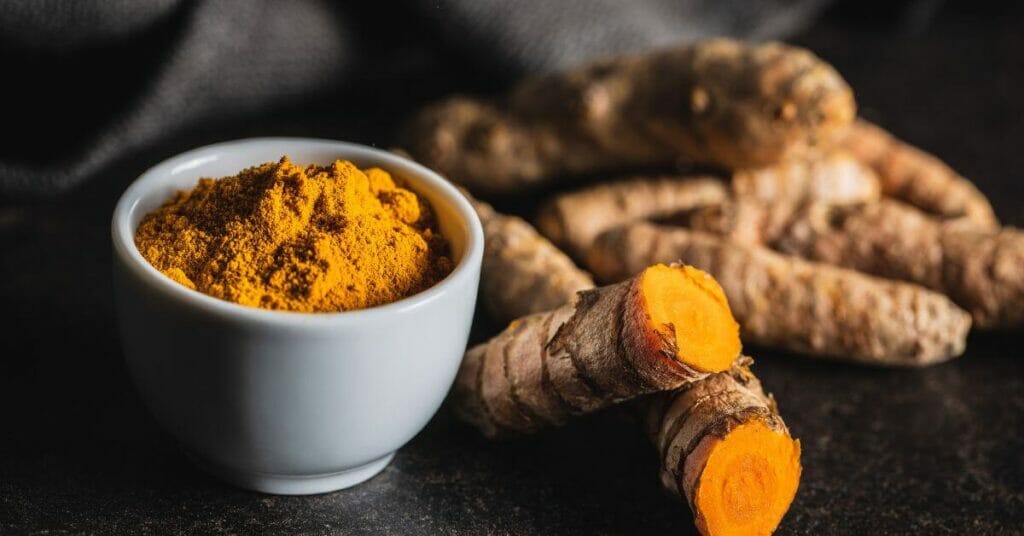
Curcumin, turmeric’s primary active compound, has demonstrated antioxidant, anti-inflammatory, and neuroprotective properties. In a study of adults over 60, 400 mg of curcumin daily significantly improved sustained attention and working memory compared to a placebo. Another trial found that the curcumin group showed no cognitive decline over the study period, whilst the placebo group did.
This is sitting in your kitchen right now. That accessibility matters. Brain health doesn’t require exotic supplements shipped from distant places — some of the most effective interventions are already part of traditional Indian cooking.
The limitation with curcumin is bioavailability. Your body doesn’t absorb it efficiently on its own. Black pepper, which contains piperine, dramatically enhances absorption. Traditional recipes that combine turmeric and black pepper weren’t accidents — they were intelligent formulations.
5. Gotu Kola (Centella asiatica)
Known in Ayurveda as Mandukaparni, Gotu Kola has been used for thousands of years to support memory, mental clarity, and overall cognitive function. The Balinese call it “the student herb.”
Research indicates that Gotu Kola may protect brain cells from free radical damage. Clinical trials suggest it may improve vascular cognitive function, particularly in stroke patients. The evidence base isn’t yet as robust as that for Brahmi or Ashwagandha, but it’s building steadily.
The Lifestyle Practices That Support Cognition
What distinguishes Ayurveda for cognitive health from simply taking supplements is its comprehensive lifestyle approach. The daily practices Ayurveda recommends align remarkably well with what contemporary neuroscience identifies as essential for brain health.
1. Dinacharya: The Power of Daily Rhythm
Ayurveda places enormous emphasis on dinacharya — a consistent daily routine aligned with natural cycles. Waking at roughly the same time each morning. Eating meals at regular intervals. Going to bed at a reasonable hour. All of this is synchronised with natural light and darkness.
Modern research on circadian biology has revealed why this matters so profoundly. Your brain performs essential maintenance during sleep, including clearing metabolic waste through the glymphatic system. Irregular sleep patterns disrupt this process, compromising cognitive function, memory consolidation, and mood regulation.
This might sound basic, but consistency in daily rhythms is one of the most powerful interventions for long-term brain health. It costs nothing, requires no supplements, and the benefits accumulate over time.
2. Abhyanga: Self-Massage with Herbal Oil
The practice of self-massage using warm herbal oil — particularly sesame or brahmi oil applied to the scalp — is said to calm Vata, reduce mental agitation, and support deeper sleep.
Robust clinical trials specifically on Abhyanga remain limited, but research on massage therapy broadly shows clear effects on stress reduction and nervous system regulation. These benefits are increasingly recognised in integrative medicine.
There’s also something to be said for the practice itself: taking 10 to 15 minutes to slowly massage warm oil into your scalp whilst breathing deeply is inherently calming. That deliberate pause in your day has value regardless of the oil’s specific properties.
3. Shirodhara: The Continuous Oil Stream
Shirodhara is one of Ayurveda’s most distinctive therapies for brain health. It involves a continuous, gentle stream of warm medicated oil poured over the forehead, specifically targeting what Ayurveda identifies as the Ajna marma — a vital energy point.
Practitioners use Shirodhara for anxiety, insomnia, mental fatigue, and nervous system disorders. Research has shown that it can reduce perceived stress and anxiety, lower heart rate, and improve sleep quality — all of which indirectly support cognitive function.
Is it essential? No. Is it a deeply calming experience that many people find beneficial? Yes. It’s also not something you’ll do at home — you’ll need to visit a qualified Ayurvedic practitioner or clinic.
4. Pranayama: Conscious Breathing
Yogic breathing practices — particularly Anulom Vilom (alternate nostril breathing) and Bhramari (humming bee breath) — have been part of brain health protocols in Ayurveda for centuries.
The beauty of pranayama is its accessibility. It requires no equipment, no special location, and just 10 to 15 minutes of your day. The barrier to entry is essentially zero, yet the benefits can be substantial.
5. Ahara: Food as Medicine for the Mind
The Ayurvedic approach to diet for brain health emphasises freshly prepared, warm, seasonal food. Ghee, milk, almonds, seasonal fruits, and leafy greens are all considered medhya ahara — food that nourishes the mind.

What Ayurveda discourages aligns closely with what modern nutritional neuroscience identifies as harmful: ultra-processed foods, excessive refined sugar, and meals that have been frozen or stored for extended periods.
A 2023 review analysing data from over 867,000 individuals found that ultra-processed food consumption directly increases dementia risk. Reducing consumption by just 10% lowered that risk by 19%.
Ayurveda articulated this principle millennia ago, simply in a different language. The correspondence between ancient dietary wisdom and contemporary research is striking.
6. Panchakarma: Comprehensive Detoxification
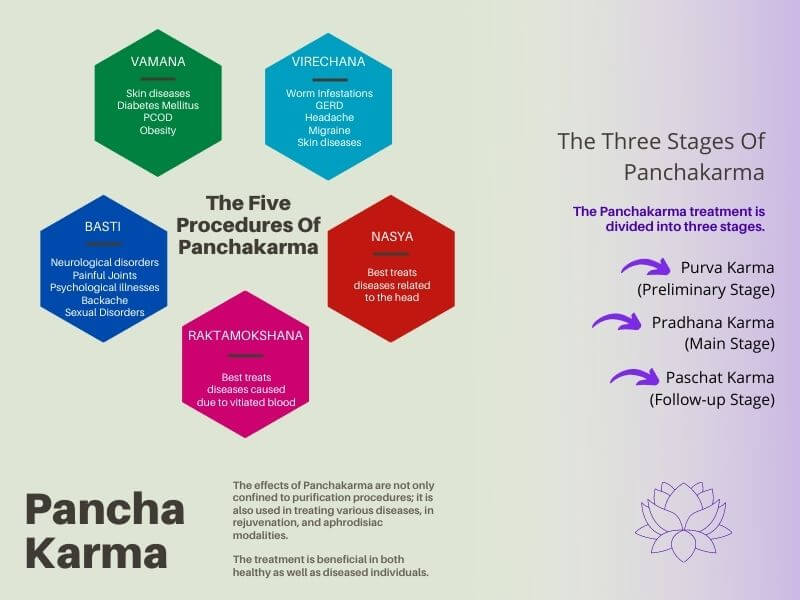
Panchakarma represents Ayurveda’s most intensive therapeutic intervention. Typically conducted over 14 to 21 days, it’s a comprehensive detoxification and rejuvenation protocol.
For cognitive health, Panchakarma aims to clear ama (metabolic toxins thought to cloud mental function), restore dosha balance, and support neurological function.
One specific therapy, Nasya — the administration of medicated oil through the nasal passages — is indicated in classical texts specifically for brain and sensory disorders.
Panchakarma requires a significant investment of time and resources, and it should only be undertaken under the guidance of qualified practitioners. It’s not a casual wellness experiment — it’s a serious therapeutic intervention.
What the Science Actually Supports
It’s important to be clear-eyed about the current evidence base. Research on Ayurveda for cognitive health is promising and growing, but it’s still developing.
Brahmi, Ashwagandha, and turmeric have the most substantial clinical research behind them. However, most studies involve relatively small sample sizes. We need larger, multi-centre trials with longer follow-up periods to draw more definitive conclusions.
A 2023 Government of India report by the Department of Science and Technology noted that Ayurvedic plants such as Ashwagandha and turmeric demonstrate “anti-amyloid and neuroprotective effects” and offer “new hope” for addressing conditions like Alzheimer’s disease.
The scientific consensus is clear: these herbs and practices are not replacements for medical treatment. If you are diagnosed with cognitive impairment or neurological conditions, you need proper medical care. But for long-term maintenance and early prevention? They’re increasingly recognised as valuable complementary approaches.
The NIH’s published reviews acknowledge that Ayurvedic herbs such as Brahmi, Ashwagandha, Shankhapushpi, and turmeric demonstrate memory-enhancing, antioxidant, and anti-inflammatory effects — precisely the mechanisms now understood to be central to maintaining cognitive health across the lifespan.
There’s something else worth noting. Traditional use of these herbs wasn’t primarily about treating disease — it was about maintenance. Keeping yourself healthy before problems arise. That’s a fundamentally different paradigm from Western medicine’s focus on disease treatment, and it’s one that’s increasingly relevant as we understand more about preventive health.
Ayurveda for Brain Health: Practical Starting Points
You don’t need to transform your entire life overnight. Here are realistic entry points if you’re curious about Ayurveda for brain health:
- Consider adding Brahmi or Ashwagandha to your routine. Both are widely available as capsules, powder (churna), or tablets. However, please consult a qualified Ayurvedic practitioner (BAMS-certified in India) for appropriate dosage and form based on your constitution. Individual biochemistry varies significantly, and what works well for one person may not suit another.
- Incorporate turmeric into your daily diet. Add it to warm milk before bed (with a pinch of black pepper for absorption). Use it generously in dals, curries, and vegetables. You can even mix it into warm water with lemon and honey. The traditional methods of preparation exist for good reasons.
- Prioritise sleep consistency. Both Ayurveda and neuroscience are unambiguous on this point. Your brain consolidates memories and clears metabolic waste during sleep. A consistent bedtime isn’t a luxury — it’s fundamental to cognitive health.
- Experiment with 10 to 15 minutes of pranayama daily. Anulom Vilom (alternate nostril breathing) is gentle, requires no equipment, and has solid evidence for stress reduction and mental clarity. Numerous guided tutorials are available online.
- Gradually reduce ultra-processed foods. This doesn’t require dramatic overnight changes. A steady, consistent shift towards fresher, home-cooked meals makes a significant difference over time.
If you want to explore deeper practices like Shirodhara or Panchakarma, or if you’d like a comprehensive constitutional assessment, seek out qualified Ayurvedic practitioners rather than generic wellness spas. The quality of practice matters enormously.
Safety & Implementation Notes
While Ayurvedic herbs are natural, they are pharmacologically active. Consider the following before starting a regimen:
- The “Extract” vs. “Powder” Gap: Clinical studies often use standardised extracts (e.g., 45% Bacosides for Brahmi). Whole-root powders are gentler but require higher volumes and longer durations to see results.
- Specific Interactions:
- Ashwagandha: May stimulate thyroid hormone production; use caution if you have hyperthyroidism. It may also affect those with autoimmune conditions (Lupus, RA, MS) due to its immune-modulating effects.
- Brahmi (Bacopa): Best taken with a fat source (like Ghee or Omega-3s) to increase absorption. May cause mild GI upset if taken on an empty stomach.
- Turmeric: High doses can act as a mild blood thinner. Consult a doctor if you are on anticoagulants (like Warfarin).
- Pregnancy/Nursing: Most Ayurvedic “nootropics” have not been sufficiently studied for safety during pregnancy. Always consult your OB-GYN.
- The 12-Week Rule: Unlike caffeine, these herbs are “accumulative.” Significant cognitive shifts typically require 8–12 weeks of consistent use.
The Bigger Picture
What makes Ayurveda’s approach to brain health genuinely distinctive isn’t simply the herbs or specific practices. It’s the underlying philosophy.
Western medicine tends to view the brain as a discrete organ. When function declines, we intervene with treatment. This reactive model has its place and has saved countless lives.
Ayurveda operates differently. It views the brain as inseparable from the whole system — your sleep patterns, digestion, stress levels, daily rhythms, food choices, breathing patterns, and overall way of living. Brain health isn’t something you “fix” when it deteriorates. It’s something you cultivate continuously through how you live each day.
From your morning routine to your evening meal, from your breathing patterns to your sleep hygiene — Ayurveda sees all of it as part of one integrated approach to wellbeing. And for brain health in particular, this holistic perspective is proving to be not merely philosophically appealing but scientifically sound.
The wisdom your grandmother possessed when she prepared those herbal remedies wasn’t superstition. She might not have known about bacosides, neuroprotection, or oxidative stress. But she knew it worked because generations before her had observed the same benefits.
Sometimes ancient wisdom and modern science converge from different directions, ultimately revealing the same truths. Ayurveda for brain health appears to be one of those convergences.
