In This Article: Cellulite: What It Is, Why You Have It, and the Best Natural Home Remedies for Cellulite That Actually Help
Let’s get one thing straight. Cellulite is not a disease. It is not a sign of poor health. And it is certainly not something to be ashamed of. Yet, here we are — millions of us — squinting at the backs of our thighs in bathroom mirrors, wondering what on earth happened. If that sounds familiar, you are in very good company. Studies estimate that 85–90% of women develop cellulite at some point in their lives, and so do around 10% of men.
The good news? Science, ancient healing traditions, and a handful of clever home techniques all offer workable natural remedies for cellulite. None of them will erase cellulite overnight — because nothing will — but together, they can meaningfully reduce its appearance. Moreover, they come with a bonus: they are genuinely good for your overall health.
Read on. This guide covers everything you need to know — without the fluff.
So, What Exactly Is Cellulite?
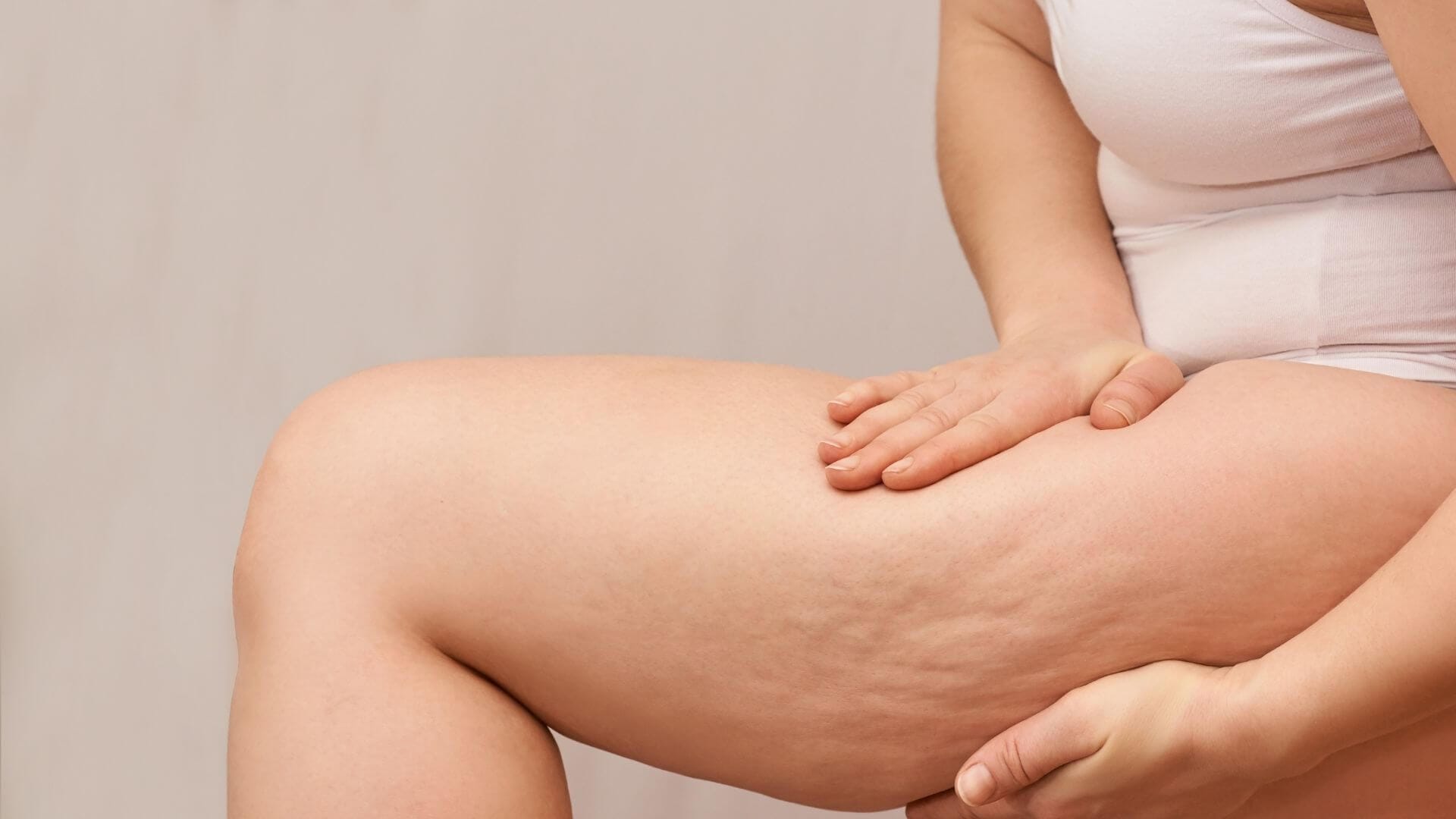
Cellulite is that dimpled, lumpy skin texture — often described as resembling orange peel or cottage cheese — that commonly appears on the thighs, buttocks, lower abdomen, and sometimes the upper arms and breasts. It develops when fat cells beneath the skin push upward against the dermis, while tough fibrous cords (called fibrous septae) pull the skin downward toward the underlying muscle. The result is that characteristic bumpy, uneven surface.
Interestingly, the reason cellulite is far more common in women than in men comes down to anatomy. In women, these fibrous cords run vertically in parallel — think prison bars pushing fat cells neatly through. In men, they criss-cross like a net, holding everything more evenly in place. Lucky them.
Why Does Cellulite Form? The Science Behind the Dimples

Several factors contribute to cellulite formation, and – fair warning – some of them are completely out of your control.
- Genetics: Research confirms that cellulite has a strong hereditary component. If your mother had it, the chances are higher that you will too.
- Hormones: Oestrogen plays a significant role. It affects the structure of connective tissue and the distribution of fat cells. This is why cellulite often first appears during puberty, worsens during pregnancy, and can intensify around menopause — when oestrogen levels shift dramatically.
- Age: As skin loses collagen and elasticity over time, the dimpling becomes more visible. Thinner, less firm skin simply hides less.
- Lifestyle factors: A sedentary routine, poor circulation, a diet high in processed foods, smoking, and excess body fat all increase the visibility of cellulite — even if they do not cause it outright.
Traditional medicine systems offer complementary perspectives. Ayurveda links cellulite to impaired Agni (digestive fire), resulting in the accumulation of toxins or ‘ama’ and an imbalance in Kapha energy and Medas Dhatu (fat tissue).
Traditional Chinese Medicine (TCM), meanwhile, attributes cellulite to Qi stagnation and impaired fluid metabolism – particularly involving the spleen and kidneys.
While these frameworks differ from Western biomedicine, they share a focus on circulation, metabolism, and internal balance – themes that modern research increasingly validates.
10 Evidence-Based Natural and Home Remedies for Cellulite You Can Start Today
Now, let’s get to the part you actually came for. Here are ten of the most effective, evidence-informed remedies for cellulite — both natural and home remedies, ranging from your kitchen cupboard to the TCM clinic.
1. Drink More Water (Yes, Really)
Hydration is the unglamorous hero of skin health. Well-hydrated skin is thicker, more elastic, and consequently better at masking the fat deposits beneath it. A 2015 study in Clinical, Cosmetic and Investigational Dermatology demonstrated a significant link between adequate water intake and improved skin elasticity. Aim for 1.5–2 litres of water daily. Furthermore, herbal teas, water-rich foods like cucumber and watermelon, and limiting diuretics such as caffeine and alcohol all support healthy hydration.
2. Rethink Your Plate
A balanced, anti-inflammatory diet does not eliminate cellulite, but it absolutely reduces the factors that make it worse. Prioritise collagen-supporting foods — vitamin C-rich fruits and vegetables, leafy greens, oily fish, and nuts. These support the integrity of connective tissue. Additionally, a healthy gut helps your body excrete excess oestrogen efficiently.
Prioritise fibre-rich and fermented foods, and ensure adequate protein intake. Conversely, limit processed foods, added sugars, alcohol, and excess salt — all of which promote inflammation and water retention.
TCM similarly advises avoiding ‘damp-producing’ foods, such as fried foods, excess dairy, sugar, and alcohol. On similar lines, Ayurveda recommends warm, spiced foods — turmeric, cumin, cinnamon, fenugreek, and cardamom — believed to improve metabolic function and reduce fat tissue.
3. Move — It Is One of the Best Remedies for Cellulite
Exercise is one of the most well-supported natural home remedies for cellulite, and for good reason. A 2015 clinical trial in the Journal of Cosmetic and Laser Therapy found that combining cardiovascular and strength training significantly reduced cellulite severity in women. The logic is straightforward. Exercise builds lean muscle mass beneath the fat layer, improving skin texture. It also boosts circulation and lymphatic drainage — both critical for reducing the fluid congestion that makes cellulite more visible. Focus on the lower body: squats, lunges, deadlifts, leg presses, and cycling are all excellent. Pair these with 150 minutes of moderate cardio per week, as recommended by the WHO.
4. Massage: More Than a Treat
Massage is not just for spa days. A study in the Journal of the European Academy of Dermatology and Venereology found that mechanical massage — specifically lymphatic drainage massage — produced measurable improvements in cellulite appearance. Massage improves local blood circulation, stimulates lymphatic flow, and temporarily breaks down superficial fat deposits. You can book a professional lymphatic drainage session, try deep-tissue massage on the affected areas, or use a foam roller at home for a more affordable option. Aim for at least 5 minutes of firm, circular massage on affected areas, three to five times per week.
5. Cupping: Ancient TCM, Modern Curiosity
Cupping therapy — a cornerstone of Traditional Chinese Medicine — involves placing suction cups on the skin to draw blood flow to the surface and loosen the underlying connective tissue. Practitioners use it specifically for cellulite management, targeting the thighs and buttocks. While large-scale clinical trials remain limited, a review in the Journal of Traditional and Complementary Medicine noted promising results for improved microcirculation and connective tissue loosening with regular cupping. Notably, this is not a DIY activity. Seek a qualified TCM practitioner to get cupping done safely and correctly.
6. Dry Brushing: Stroke Your Way to Smoother Skin
Dry brushing involves sweeping a firm-bristled brush across dry skin in long, upward strokes toward the heart. Skincare experts consistently recommend it for stimulating circulation and lymphatic drainage — and those benefits are real. As a direct remedy for cellulite, its effects are temporary, but combined with other approaches, it forms a valuable part of a consistent skincare routine. Use a natural bristle brush before showering. Start at the feet and work upward. Additionally, the exfoliation removes dead skin cells, leaving skin noticeably smoother and more radiant. Think of it as a morning ritual that multitasks beautifully.
7. Coffee Scrubs and Seaweed Peels: Kitchen Chemistry That Works
Coffee grounds are not just for your morning pick-me-up. Topical caffeine penetrates the skin and temporarily improves blood flow while causing a mild diuretic effect on fat cells beneath the surface. A study in Skin Pharmacology and Physiology confirmed that topical caffeine stimulates fat degradation through lipolysis by inhibiting phosphodiesterase activity. Mix used coffee grounds with coconut oil, then massage firmly into the affected areas for 5–10 minutes before rinsing. For variety, try a seaweed peel. Combine ground seaweed, sea salt, almond oil, and a single drop of geranium essential oil. Apply before showering, then leave on for 15 minutes. Seaweed is rich in iodine and minerals. It actively boosts circulation and reduces fluid retention, making it a worthy natural remedy for cellulite.
8. Essential Oils: Nature’s Targeted Remedies for Cellulite
Several essential oils boast research-backed properties that support cellulite reduction. Grapefruit essential oil contains nootkatone, a compound shown to activate the enzyme AMPK — a key regulator of fat metabolism. Juniper berry oil has diuretic and detoxifying properties that reduce fluid retention. Rosemary oil improves local circulation. Geranium oil balances hormones and reduces fluid retention. Always dilute essential oils in a carrier oil — such as sweet almond, jojoba, or coconut oil — at a ratio of 2–3 drops per teaspoon. Apply to the affected areas and massage in firmly. Never apply undiluted essential oils directly to skin.
9. Ayurvedic and Chinese Herbal Approaches
Both Ayurveda and TCM offer herbal protocols specifically targeting fat metabolism and tissue health. On the Ayurvedic side, Guggul (Commiphora mukul) has demonstrated lipid-lowering and antioxidant effects in several clinical trials, including a study published in Cardiovascular Drug Reviews. Triphala — a blend of three fruits — supports gut health and metabolic function, addressing cellulite from the inside out. Garcinia cambogia has been studied for its role in inhibiting fat synthesis. From TCM, Ginkgo biloba improves peripheral circulation and reduces oxidative stress, both of which are relevant to cellulite management. Mustak (Cyperus rotundus) helps regulate Kapha and supports detoxification. Consult a qualified Ayurvedic doctor or TCM practitioner before taking any of these herbs, particularly if you are on medication.
10. Yoga and Tai Chi: Move Slowly, See Real Results

Neither yoga nor Tai Chi will burn thousands of calories per session — but both offer something more targeted. They improve lymphatic flow, reduce cortisol (the stress hormone that encourages fat storage), and build lean muscle tone in the areas most affected by cellulite. A 2021 study in Frontiers in Public Health found that yoga significantly improved body composition in women. Additionally, research on yoga’s effect on skin health shows it reduces oxidative stress, supports antioxidant gene expression, and may slow skin ageing — all directly relevant to skin quality and cellulite appearance. Tai Chi, with its slow, deliberate movements and focus on Qi circulation, directly addresses the TCM understanding of cellulite as a problem of stagnant energy and fluid. Practice either for 30 minutes, three to five times per week. Additionally, they are profoundly good for your mental health — which is, ultimately, the best bonus of all.
Prevention: Building Habits That Hold Cellulite at Bay
Prevention is not about perfection. It is about consistent, healthy habits that keep your skin nourished, your circulation active, and your hormones balanced. Specifically:
- Maintain a healthy, stable weight — repeated weight gain and loss weakens connective tissue over time.
- Stay well-hydrated every single day.
- Eat a collagen-supporting, anti-inflammatory diet.
- Exercise consistently — strength and cardio combined.
- Quit smoking — it damages blood vessels and accelerates skin ageing.
- Limit alcohol and processed foods.
- Build a regular skincare routine that includes massage or dry brushing.
The Bottom Line
Cellulite is extraordinarily common. Genetics, hormones, and ageing all play roles that no cream or scrub will fully override. However, that does not mean you are powerless. The evidence clearly shows that a committed combination of regular exercise, smart nutrition, targeted massage, and consistent skincare can significantly reduce the appearance of cellulite — and keep it that way.
Traditional systems like Ayurveda and TCM bring centuries of wisdom to the table — and increasingly, modern science is catching up with what they have long understood: that lasting remedies for cellulite lie in whole-body health, not quick fixes. Good circulation, balanced hormones, strong connective tissue, and a healthy metabolic system are your real weapons.
So ditch the shame, pick up the dry brush, refill your water bottle, and lace up those trainers. Your skin — and the rest of you — will thank you for it.
Disclaimer: This article is for informational purposes only and does not constitute medical advice. Always consult a qualified healthcare professional before beginning any new supplement, herbal treatment, or protocol.
