Why Winter Challenges Your Immunity
Every winter, your body fights a quiet battle. Cold air dries out your nasal passages. Shorter days with reduced exposure to sunlight slash your vitamin D levels. And viruses love nothing more than the cool, low-humidity air that lets them linger and spread. So what can you do? The answer may lie in your kitchen — specifically in an ancient ayurvedic food for immunity that Punjab has been serving for centuries.
“Let food be thy medicine.” — Hippocrates. Ayurveda said it thousands of years before he did.
What Ayurveda Says About Winter Eating
Ayurveda is one of the world’s oldest holistic health systems, originating in India over 3,000 years ago. At its heart, it emphasises one powerful idea: what you eat shapes how you heal.
Crucially, Ayurveda classifies food by season. India’s six seasons each demand different nutritional strategies. Winter includes Hemanta ritu (early winter) and Shishira ritu (deep winter). During these months, Ayurveda recommends warming, nourishing, immunity-building foods — exactly what Ayurvedic foods for immunity, such as Sarson ka saag, provide.
Meet Sarson Ka Saag — Punjab’s Winter Superfood
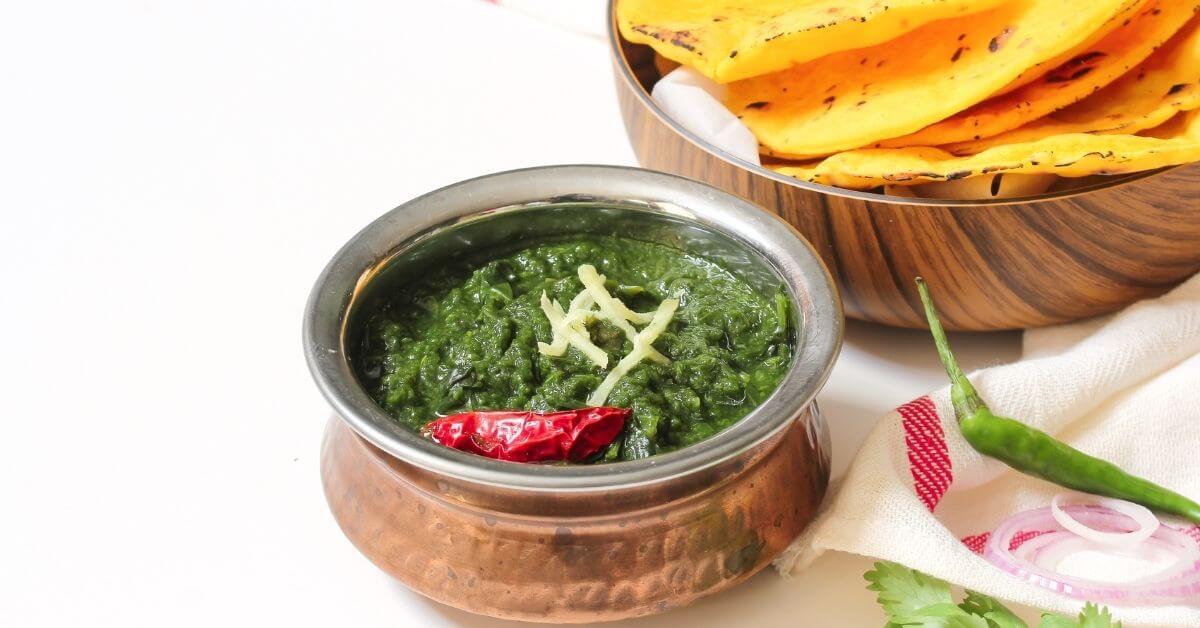
Picture golden mustard fields stretching across Punjab. That’s where Sarson ka saag begins. This vibrant green dish combines mustard leaves, bathua, and spinach into a thick, spiced gravy. Farmers and families alike have eaten it through cold winters for generations — and for good reason.
Traditionally, it arrives at the table with Makki di roti (cornmeal flatbread), a generous dollop of makkhan (homemade butter), and a tall glass of lassi. Together, they form one of India’s most complete and comforting winter meals.
“Sarson ka saag is not just food — it’s a memory. Every Punjabi household has its own recipe, passed down with love.” — Traditional Punjabi culinary wisdom.
What Goes Into Sarson Ka Saag?
The recipe calls for a handful of wholesome, winter-fresh ingredients:
- Fresh mustard leaves (sarson), roughly chopped
- Bathua leaves (Chenopodium) — a wild green packed with nutrients
- Spinach leaves for extra iron and body
- Tomatoes (optional, but they boost vitamin C absorption)
- Onion, garlic, ginger and green chillies
- Corn flour (makki atta) to thicken the gravy
- Ghee or mustard oil for cooking
- Salt to taste
How to Make It: Step-by-Step
Follow these steps for a rich, authentic saag:
1. Wash and roughly chop the mustard leaves, bathua, and spinach.
2. Add all greens to a pressure cooker with tomato, garlic, ginger, salt and water.
3. Pressure cook on medium heat for 8–10 minutes. Allow it to cool.
4. Blend the mixture into a smooth, thick purée and then add cornflour.
5. Heat ghee or oil in a pan. Sauté onions and chillies until golden.
6. Pour the purée into the pan and simmer on low heat for 15 minutes.
7. Serve hot with Makki di roti, makkhan, and a glass of sweet lassi.
Pro tip: Add a few pieces of jaggery (gur) to your saag. Rich in B vitamins, manganese, and calcium, jaggery deepens the flavour and the nutrition.
Also Read: Four Wonderful Benefits Of Moong Dal & A Delicious Recipe
10 Powerful Health Benefits
This isn’t just comfort food. Sarson ka saag is a genuine ayurvedic food for immunity — loaded with nutrients your body needs in winter. Here’s what it does for you:
Detoxifies naturally: Mustard greens contain sulfur compounds and antioxidants that support liver function and cardiovascular health. They also help neutralise harmful toxins in the body.
Floods your body with antioxidants: Vitamins A, C, E and K — along with folate and manganese — work together to neutralise free radicals that damage cells and accelerate ageing.
Fights cancer: Research suggests mustard greens contain anti-inflammatory and antioxidant compounds that may help reduce the risk of breast, lung, bladder, ovarian, and prostate cancers.
Supports healthy digestion: High dietary fibre encourages a healthy colon, regulates metabolism, and keeps your digestive system running efficiently.
Aids weight management: The fibre in greens keeps you fuller for longer, helps regulate blood sugar, and supports a healthy body weight.
Sharpens mental health: Multiple studies link regular green vegetable consumption to slower cognitive decline, better mood regulation and reduced risk of depression.
Relieves asthma symptoms: Vitamin C in mustard greens breaks down histamine — the inflammatory compound that worsens asthma. Meanwhile, magnesium relaxes the bronchial tubes, easing breathing.
Protects lung health: Carcinogens in tobacco smoke deplete vitamin A, potentially causing emphysema. A diet rich in vitamin A-containing greens can actively counteract this damage.
Strengthens your bones: Potassium and calcium in mustard greens work together to maintain bone density and reduce the risk of osteoporosis and brittle bone disease.
Turbocharges your immune system: As a premier ayurvedic food for immunity, saag’s high vitamin C content helps your white blood cells fight off viruses, bacteria, and seasonal infections like flu and cold.
Get the Most Nutrition Out of Every Bowl
To absorb the maximum benefit from this ayurvedic food for immunity, keep these tips in mind:
- Add tomatoes — their vitamin C boosts the absorption of iron from the greens.
- Cook with MUFA-rich oils, such as mustard oil or olive oil, to improve the absorption of fat-soluble vitamins.
- Go easy on salt — too much sodium can cause water retention and counteract the anti-inflammatory benefits.
- Stir in a small piece of jaggery — it adds minerals and gives the dish a subtle sweetness.
Your Winter Prescription: A Bowl of Sarson Ka Saag
Winter puts a lot of strain on your immune system. But nature — and Ayurveda — always have answers. Sarson ka saag is more than a dish. It’s a time-tested ayurvedic food for immunity, backed by both ancient wisdom and modern nutritional science. It warms you from the inside, strengthens your defences, and reconnects you with a culinary heritage that has kept generations healthy through every cold season.
So this winter, let your kitchen become your pharmacy. Make a bowl of saag once a week. Pair it with Makki di roti and makkhan. Eat it with gratitude — and good health will follow.
Remember: The best supplement is a nourishing meal. And few meals nourish quite like Sarson ka saag.
Edited by Love4Wellness | All nutritional information is based on peer-reviewed sources and Ayurvedic literature.
