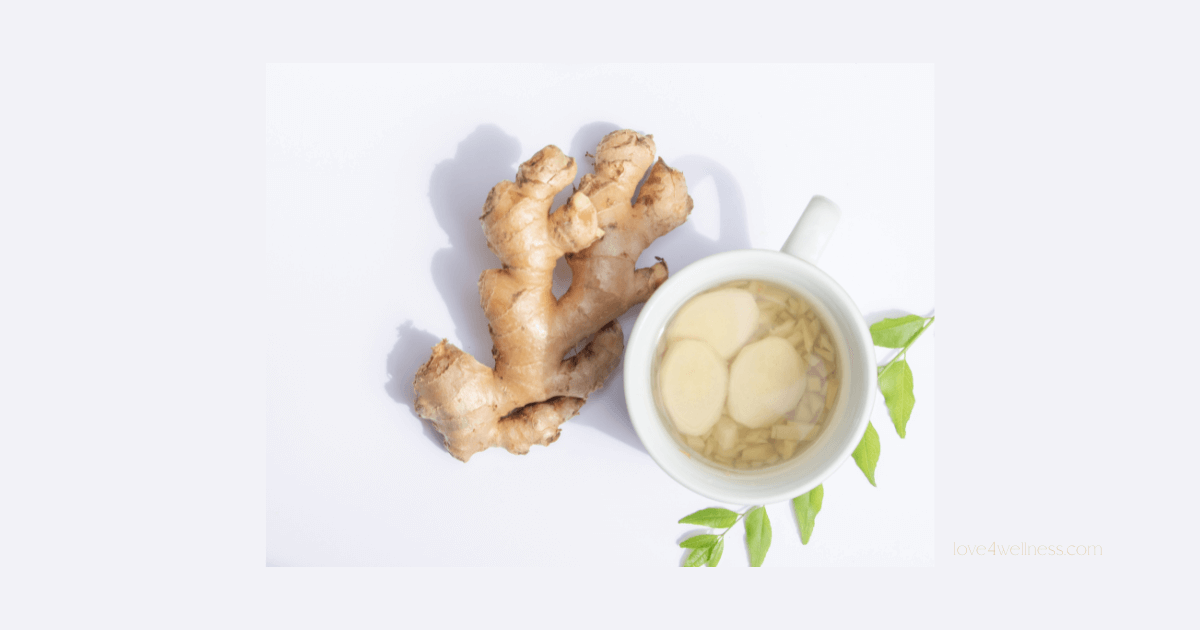
The Zesty Powerhouse
Are you looking for a natural, time-tested ingredient to upgrade your wellness routine? Look no further than the humble root known as ginger for its amazing health benefits.
For centuries, across traditional healing systems like Ayurveda and Traditional Chinese Medicine, ginger has been prized not just for its unique, zesty-spicy flavor but for its profound medicinal properties. It has been used to treat everything from the common cold to chronic pain.
The secret behind this powerhouse is a substance called gingerol. This oily, volatile compound is the primary bioactive component that gives ginger its pungency and is responsible for the majority of its anti-inflammatory and antioxidant benefits. Ready to unleash this root’s potential?
Top Health Benefits of Ginger
Ginger is far more than just a culinary spice; it is a nutritional hero with scientifically proven health benefits.
1. Potent Relief for Nausea and Morning Sickness
This is arguably ginger’s most famous and well-studied application. Whether you suffer from motion sickness, post-surgery nausea, or chemotherapy side effects, ginger can help calm the storm.
- Mechanism: It relaxes the gastrointestinal tract and may inhibit serotonin receptors, which are known to trigger vomiting.
- Special Note: It is highly effective against pregnancy-related morning sickness, but, as with any supplement during pregnancy, it is essential to consult with your doctor first.
2. Powerful Anti-Inflammatory and Antioxidant Effects
Chronic inflammation is a driver of many modern diseases. Ginger’s potent anti-inflammatory properties are one of its biggest assets.
- Gingerol’s Role: The active gingerol compounds inhibit the production of pro-inflammatory substances in the body, similar to how some anti-inflammatory medications work.
- Benefit: Studies show that regular ginger consumption can significantly reduce muscle pain and soreness after intense exercise.
3. Aids Digestion and Calms the Stomach
If you frequently experience the discomfort of a sluggish digestive system, ginger can act as a natural motility agent.
- Benefit: Ginger can speed up the process of gastric emptying, which is critical for those suffering from chronic indigestion (dyspepsia). By moving food through the stomach more quickly, it helps relieve feelings of uncomfortable fullness, bloating, and gas.
4. May Help Lower Blood Sugar and Improve Heart Health
While more research is always ongoing, some promising studies link ginger consumption to metabolic improvements, especially in people with Type 2 diabetes.
- Potential Effects: Ginger may help reduce fasting blood sugar and improve certain risk factors for heart disease by regulating lipid profiles (like LDL cholesterol).
- Important: Ginger should only be used as a complementary health food and not as a replacement for prescribed diabetes or heart medication.
5. Reduces Severe Menstrual Pain (Dysmenorrhea)
For many women, monthly menstrual cramps can be debilitating. Research indicates that ginger is an excellent natural alternative for pain relief.
- Effectiveness: Several studies have shown that taking ginger powder during the first few days of the menstrual cycle can be as effective as common over-the-counter pain medications at reducing pain, without the potential side effects.
Simple Ways to Use Ginger Daily
Integrating this root into your life is easy and delicious. Here are the best ways to get started:
- Fresh Ginger Tea: Slice or grate 1 inch of fresh ginger root, steep in hot water for 5–10 minutes, and add a slice of lemon. This is best for digestion, cold relief, and warming up.
- In Smoothies: Add a small knob of peeled fresh ginger (about 1/2 inch) to your morning fruit or green smoothie. This provides a great anti-inflammatory boost.
- Cooking: Use powdered ginger in baking or add fresh, minced ginger to stir-fries, curries, and soups. This is the best way to ensure consistent daily consumption.
- Ginger Shots: Mix 1 tablespoon of fresh ginger juice with lemon juice, a dash of cayenne pepper, and a pinch of honey. This is best for a concentrated health blast.
You Might Also Like:
- Turmeric: List Of Benefits, Uses, How To Use, And Safety Precautions
- 4 Awesome Ginger Remedies To Try For Very Common Health Issues
Ginger Supplements: Benefits, Risks, and Responsible Dosing
While incorporating fresh or dried ginger into your food is a great start, many people turn to supplements (capsules, tablets, or extracts) for a reliable, concentrated dose, especially when targeting a specific health concern like chronic inflammation or severe nausea.
The Benefits of Supplementation
The primary advantage of a high-quality supplement is standardization.
- Standardization: Supplements ensure you get a consistent percentage of gingerols (e.g., 5% or 10%), which is harder to measure with fresh root.
- Convenience: A capsule is a quick, easy way to take ginger, especially when traveling or managing symptoms like morning sickness.
- Targeted Dosage: Clinical studies on conditions like osteoarthritis and menstrual pain often use high-dose powdered extracts (1,000 mg to 2,000 mg per day) that are difficult to achieve consistently with food alone.
Recommended Dosage Guide
- General Wellness: 500 mg – 1,000 mg per day. Typically provided as a powdered root capsule.
- Nausea (Morning/Motion Sickness): 1,000 mg – 1,500 mg per day. Often divided into 2–3 doses. (Note: Limit to 1,000 mg daily during pregnancy).
- Osteoarthritis/Inflammation: 1,000 mg – 2,000 mg per day. This usually requires consistent use for 4–6 weeks to see full results.
Risks and Drug Interactions (Crucial Warnings)
Because ginger is biologically active, concentrated supplements carry a higher risk of interactions. Please be aware of the following while taking ginger supplements for health benefits:
- Increased Bleeding: Ginger can slow blood clotting. Taking high doses alongside blood thinners (like Warfarin or Aspirin) may increase the risk of bruising and bleeding.
- Hypoglycemia: Ginger may lower blood sugar. Combining supplements with diabetes medications (like insulin) could cause blood sugar to drop too low.
- Low Blood Pressure: Ginger can have a blood pressure-lowering effect. Combining it with BP medications may cause hypotension.
- Gastrointestinal Distress: Doses above 4 grams of fresh equivalent per day are more likely to cause mild heartburn or reflux.
IMPORTANT DISCLAIMER: Ginger supplements are not regulated by the FDA like pharmaceuticals. Look for products that have been tested by independent third parties (like USP or NSF) to verify potency and purity. Never substitute ginger for prescribed medication without medical guidance.
Fresh vs. Supplement: Making the Right Choice
For general digestive aid and flavor, fresh ginger root or tea is an excellent choice. If you are seeking a therapeutic effect for a specific condition like chronic pain or severe nausea, a standardized ginger extract supplement may provide the reliable dosage you need—but remember the cautions about consulting your doctor first.
Conclusion: Embrace the Root
From soothing your stomach to calming inflammation, ginger truly deserves its reputation as a superfood and powerful home remedy.
By carefully incorporating this zesty root—whether in a comforting cup of tea, a flavorful dinner, or a concentrated, high-quality supplement—you are taking a simple, evidence-backed step toward better health.
