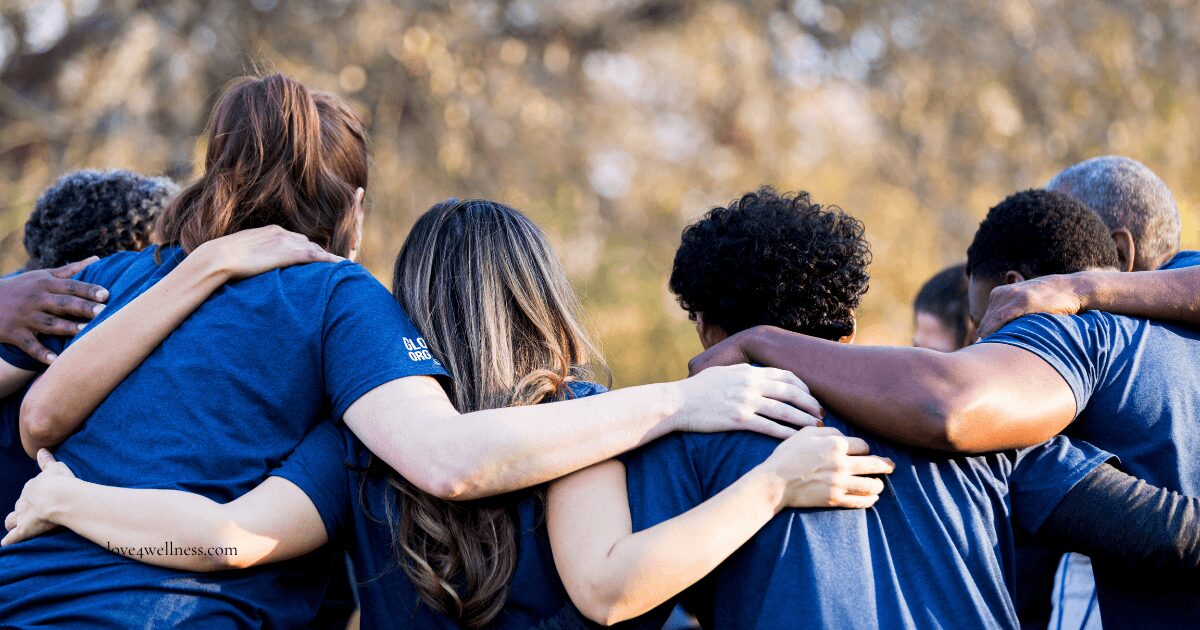
Ask any Indian parent about peer pressure on their teenager, and you’ll likely hear a familiar story. Their child started spending time with a new group of friends, and suddenly, study habits slipped, grades dropped, or attitudes changed. The phrase “peer pressure” tends to land like a warning bell — something to guard against, talk about in hushed tones, or blame when things go wrong.
That concern isn’t unfounded. But it is incomplete.
Because the same force that can pull a teenager in the wrong direction can also push them towards their best self. Research tells us that peer influence is not inherently destructive — it is simply powerful. And power, as any parent knows, can be channelled.
What Peer Pressure Actually Is
Most of us imagine peer pressure as an older kid handing a cigarette to a younger one and saying, “Go on, try it.” But in the real world, peer pressure is far more subtle — driven by a deep, developmental need to feel normal, a need that intensifies sharply during adolescence.
Peer pressure is, at its core, social influence. It shapes how teenagers dress, speak, study, spend time, and see themselves. The adolescent brain undergoes changes that make friends and peer groups extra important — the brain’s reward system becomes especially sensitive, and teens report their highest levels of happiness when in the company of peers. In other words, the teenage desire to fit in isn’t a flaw. It’s biology.
And here is where the story gets more interesting. Research shows that adolescents conform to their peers’ prosocial behaviours — actions meant to benefit others, such as volunteering, helping classmates, and community service. Teenagers pick up good habits from each other just as readily as bad ones. The key lies in which group they are picking up habits from.
The Case for Positive Peer Pressure in Teenagers
Think about a student who takes academics seriously only after her closest friends start attending extra classes together. Or a boy who begins exercising regularly because his friends are training for a school sports meet. Neither was lectured by a parent nor a teacher. They were simply watching the people they respected most — and following.
Peers set powerful examples for each other. Having friends who are committed to doing well in school or to excelling in a sport can influence a teenager to become more goal-oriented. Peers who are kind and loyal encourage those same qualities in others.
Research on academic motivation supports this. Students who associate with academically driven peers are more likely to attend study groups, complete homework on time, and participate actively in class. The desire to fit in with high-achieving friends becomes its own quiet form of motivation — one that no tutor or parent lecture could replicate.
Beyond academics, positive peer pressure can encourage teenagers to participate in sports and community service, with studies suggesting it leads to enhanced self-esteem and overall wellbeing. Belonging to a group that values effort, kindness, and discipline tends to shape a teenager’s character in ways that last well into adulthood.
The Science Behind Why It Works
There’s a brain-based reason why peer influence is so effective during adolescence — and why parents are often less persuasive than a student’s closest friend.
The teenage brain is hypersensitive to others’ opinions. Areas of the brain associated with reward are more active when teens are with peers, which means they actually learn more quickly in the presence of their friends. This isn’t a distraction — it is a learning advantage, if pointed in the right direction.
So when a teenager watches a friend take a stand, speak confidently in class, or resist the urge to cheat, that observation registers more deeply than it would coming from an adult. Often, it takes just one person to speak up or act differently to shift the entire dynamic of a group — and friends are likely to follow someone with the courage to do something different.
The Problem Isn’t Peer Pressure — It’s the Peer Group
This is the distinction that changes everything for both students and parents.
Research shows that peers are capable of both raising and lowering an adolescent’s rate of engaging in risky behaviour — and the difference lies entirely in the quality of the friendship. High-quality friendships, characterised by genuine support and low conflict, actually serve as a buffer against risky behaviour. The emotional support from such friendships becomes the coping mechanism for adolescents experiencing stress and confusion — far more effective than any rulebook.
In practice, this means a teenager with a solid, supportive friend group is not just having more fun — they are building psychological resilience. The question, then, is not how to shield your child from peer influence. It is about helping them find the right peers to be influenced by.
What Students Can Do
For students reading this, here’s something worth sitting with: you are not just on the receiving end of peer pressure. You are also a source of it.
When you choose to study seriously, to be kind to someone being left out, to refuse to copy in an exam, your friends notice. Some will follow. Practically speaking, it helps to:
Choose your circle with intention. Notice how you feel after spending time with certain friends — energised and motivated, or drained and anxious? Positive peer influence usually encourages rather than demands, respects your boundaries, and aligns with your values. A good clue: you feel comfortable sharing what you’ve been up to with your parents, rather than wanting to hide it.
Recognise that fitting in is not the enemy. The desire to belong is normal and healthy. The goal is to belong to a group whose norms are worth conforming to.
Be the influence you want to receive. Start a study group. Suggest a sport. Speak up when something feels wrong. Leadership among peers rarely looks like a speech — it looks like a quiet, consistent choice.
What Parents Can Do
Indian parents are often understandably vigilant about friendships. But there’s a difference between supervising your child’s peer group and trusting them to navigate it with guidance.
Encouraging a network of supportive friendships that help nurture healthy habits is far more effective than simply warning against negative ones. Some approaches that genuinely work:
Get to know their friends. Make an effort to get to know your child’s friends and, where possible, their families. Inviting friends over is one of the easiest ways to assess the quality of those friendships without interrogation.
Talk about friendships, not just grades. Ask your teenager how their friends make them feel. Do they feel more confident around certain people? More anxious? These conversations build the kind of self-awareness that lets a teenager navigate peer pressure on their own.
Celebrate the right friendships. When your child mentions a friend who is working hard, speaking kindly, or showing integrity, notice it aloud. You reinforce the idea that these are the qualities worth seeking in a peer group.
Build a strong sense of self at home. A child with low self-esteem or an unclear sense of identity is more likely to give in to peer pressure. Building resilience and promoting independence — through small, everyday choices — is one of the most effective long-term strategies a parent has.
Reimagining the Conversation
The next time peer pressure comes up at home — whether in a worried warning or a confused confession — consider reframing the conversation. Instead of asking which friends are a bad influence, ask: which friends bring out the best in you? Instead of staying away from peer pressure, ask: What kind of influence do you want to be on the people around you?
Peer pressure will shape your teenager regardless. The research is clear on that. What is equally clear is that it can shape them towards courage, discipline, community, and kindness — if the right ingredients are in place.
The goal was never to raise a child immune to the influence of others. The goal is to raise a child whose peers are worth being influenced by.
